GV Rolls Royce Engine FADEC System: AOG Troubleshooting at FXE Executive Airport
When a Gulfstream GV went AOG at Fort Lauderdale Executive Airport with a Rolls Royce engine FADEC fault, the operator needed more than a technician — they needed a team that communicates. Here's how the response unfolded, and what every operator should expect during an AOG.
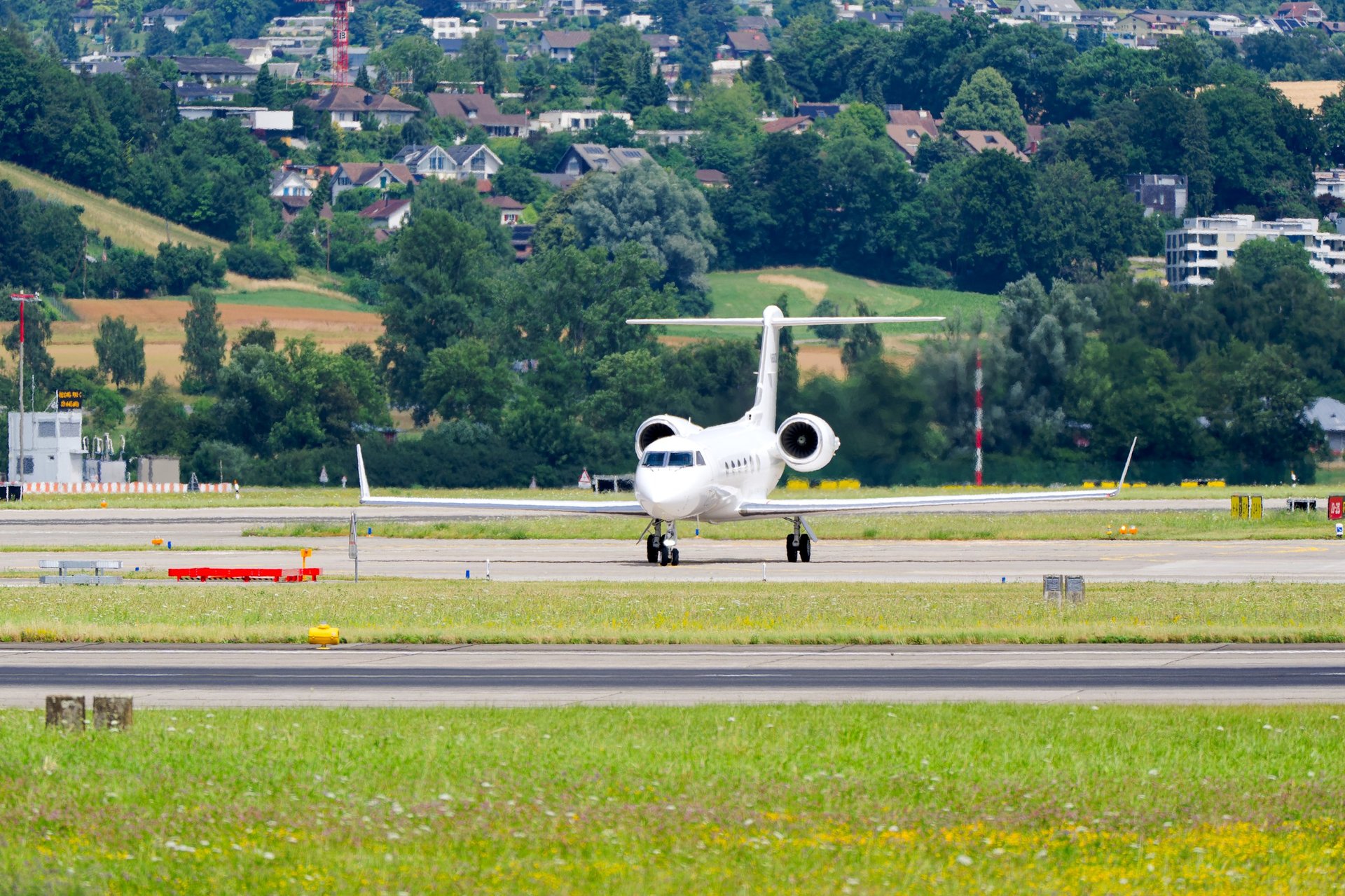
It was mid-morning when the call came in. A Gulfstream GV was grounded at Fort Lauderdale Executive Airport — KFXE — with a Rolls Royce engine FADEC system fault. The crew had observed anomalous engine parameter readings on the previous flight, and the FADEC had logged faults the flight department couldn't clear. The aircraft wasn't going anywhere until someone diagnosed and resolved the issue.
The operator needed more than a technician with a multimeter. They needed a team that understood Rolls Royce FADEC architecture, could work methodically through the fault tree without jumping to conclusions, and — critically — would keep them informed at every step so they could manage their schedule, their passengers, and their client. They called Eagle Tech Aviation LLC.
What follows is how that AOG response unfolded — and what every aircraft operator should expect from their maintenance provider when an aircraft is down.
The First 30 Minutes: FXE Triage and FADEC Fault Assessment
When the AOG call came in for the GV at FXE, the first 30 minutes set the tone for everything that followed. This wasn't a simple mechanical squawk — a Rolls Royce FADEC (Full Authority Digital Engine Control) fault means the engine's electronic brain is reporting an issue, and the possibilities range from a sensor anomaly to a wiring fault to a genuine engine control system failure. Jumping to conclusions about the cause before the data tells its story is how maintenance providers turn a half-day diagnosis into a multi-day event.
Our AOG intake for the GV at FXE covered five critical areas immediately:
- Aircraft location and accessibility — Gulfstream GV on the ramp at KFXE Executive Airport, accessible by our mobile response team with diagnostic equipment.
- The nature of the issue — Rolls Royce engine FADEC system logging faults. Crew reported anomalous engine parameter indications on the previous flight. Faults won't clear through normal cockpit procedures.
- Operational urgency — Corporate flight department with a departure scheduled within 48 hours. No passengers stranded yet, but the window was closing.
- Aircraft documentation status — Logbooks and maintenance tracking records were accessible digitally. Recent engine trend data available for review.
- Points of contact — Director of maintenance authorized to approve work. Chief pilot to be kept in the communication loop for scheduling decisions.
By the 30-minute mark, the operator should have a clear answer to four questions: What do we know so far? What are we doing right now? What's the next step? When will you hear from us again? If your maintenance provider can't answer all four of those within the first half hour, they're not communicating — they're stalling.
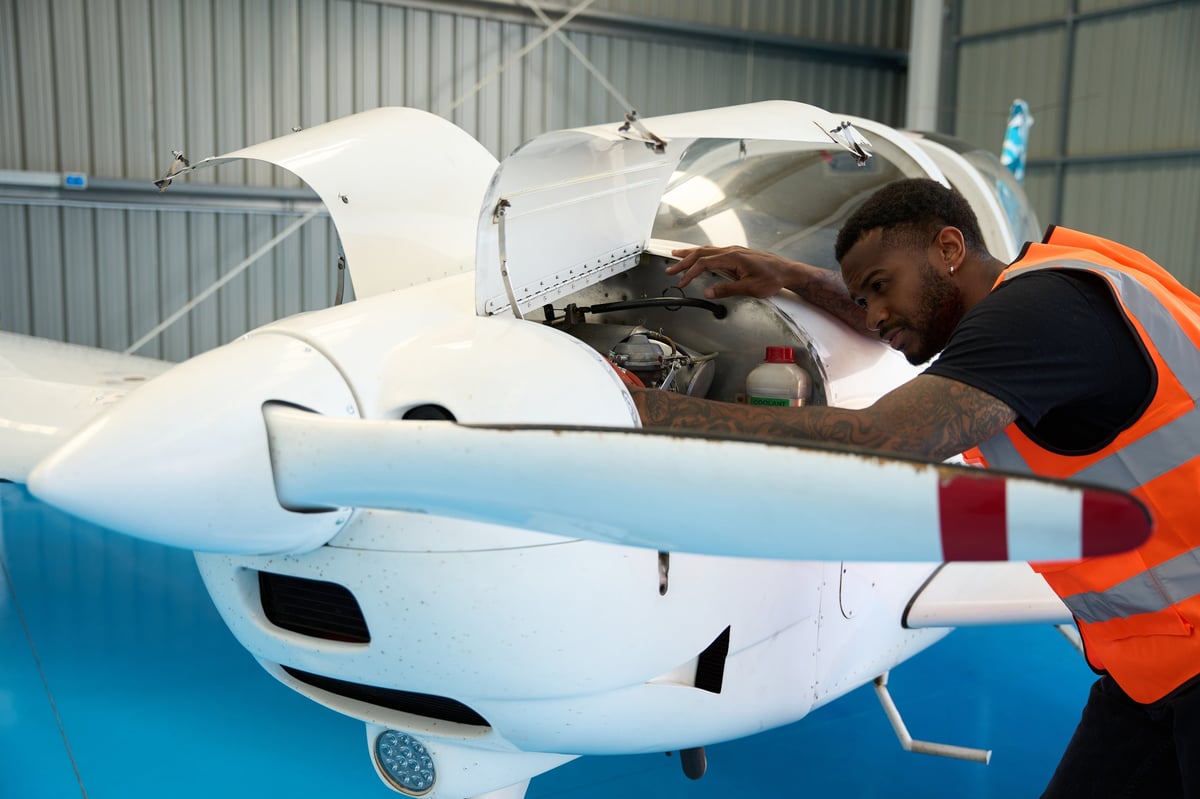
Systematic FADEC diagnosis on a Rolls Royce engine requires methodical fault-tree analysis — not guesswork. Every parameter check and wiring inspection is communicated back to the operator.
The 30-Minute Update Cadence: Why It Matters
Once our team was on the ramp at FXE with the GV and diagnostic work began, we committed to status updates every 30 minutes — without exception. This isn't an arbitrary number. With a complex FADEC fault, the diagnosis can move quickly — one wiring check might isolate the issue in 20 minutes, or it might take several rounds of systematic elimination. Thirty minutes is the right interval: frequent enough that the operator and their chief pilot can plan around the findings, long enough that there's usually meaningful progress to report.
Each update covers the same structure:
- What was accomplished since the last update — Not "we're working on it," but specific, concrete progress. "We've removed the access panel and identified the source of the hydraulic leak at the actuator fitting."
- Current status — Where do things stand right now? What's the latest finding? Has anything changed since the last update?
- Next steps — What's happening in the next 30 minutes? Are we waiting on parts, continuing diagnostics, beginning a repair?
- Updated ETR (estimated time to return-to-service) — This evolves as we learn more. An honest ETR that shifts is far better than an optimistic one that never materializes.
Crucially, we send these updates even when there's nothing dramatic to report. A 30-minute update that says "still diagnosing, no new findings yet, next update at 14:30" is still valuable — it tells the operator we haven't forgotten about them, and it prevents the anxiety spiral that happens when communication goes dark.
The Communication Blackout Problem
One of the most common complaints we hear from operators who've worked with other providers is the communication blackout. The technician arrives, disappears into the aircraft, and hours pass with no word. The operator calls — no answer. They text — no response. They're left wondering: is work progressing? Is the technician even still there? Has something gone wrong?
This is not a minor annoyance. During an AOG, the operator is making real-time decisions that depend on accurate information. Should they rebook passengers on another flight? Charter a replacement aircraft? Inform the client that the mission is delayed? Each of these decisions carries financial and reputational consequences, and making them without current information compounds the damage.
A structured, predictable communication cadence eliminates this problem entirely. The operator knows exactly when they'll hear from us, so they don't need to chase. And because our updates are specific — not vague reassurances — they have actionable information to share with their own stakeholders.
When the Diagnosis Changes: Handling Unexpected Findings
Not every AOG follows a straight line — and a FADEC fault on a Rolls Royce-powered Gulfstream certainly doesn't. During the GV diagnosis at FXE, the initial fault codes suggested one direction, but deeper inspection of the engine data and wiring integrity revealed that the root cause was upstream of where the fault initially pointed. These moments are where communication quality matters most.
When we discover something that changes the picture — a repair that will take longer than expected, a part that isn't available locally, a secondary issue uncovered during diagnosis — we communicate it immediately. Not at the next scheduled update. Immediately.
The update in these cases includes:
- What we found and when we found it
- How it changes the repair scope, timeline, and parts requirements
- What options are available — including the option to defer non-essential items
- A revised ETR, conservatively estimated
The worst thing a maintenance provider can do during an AOG is bury a bad finding and hope it resolves itself. It never does — and the operator loses trust the moment they realize the provider wasn't forthcoming. We'd rather deliver difficult news early than easy news that turns out to be wrong.
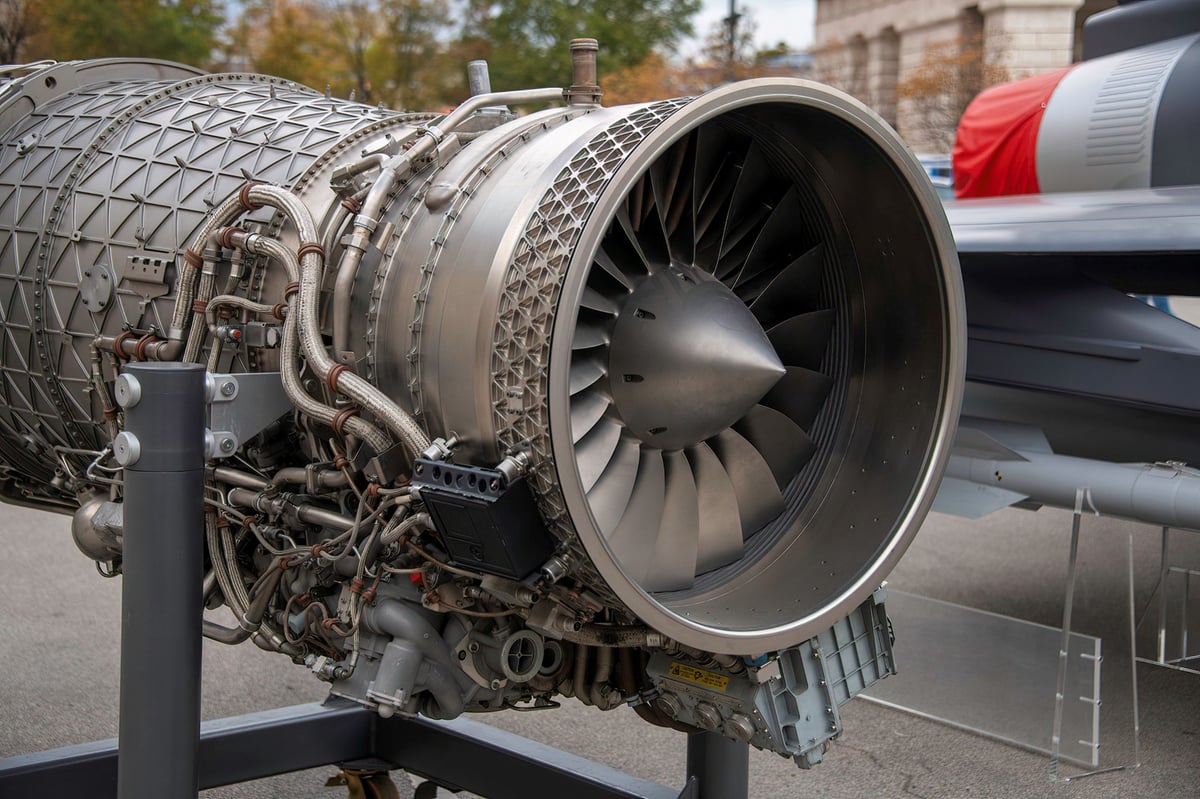
FADEC fault diagnosis on a Rolls Royce engine demands systematic, data-driven troubleshooting. Every sensor circuit, wiring harness, and ECU parameter is checked methodically before any conclusion is reached.
The Return-to-Service Handoff
As the GV repair at FXE neared completion, our communication shifted from diagnosis-and-progress updates to return-to-service coordination. This phase is just as important as the initial response — it's where the operator and chief pilot get the information they need to resume operations with confidence.
The return-to-service handoff includes:
- A summary of what was found and what was done, in plain language — not just a logbook entry
- Any follow-up items the operator should monitor or schedule
- Completed documentation — logbook sign-off, work order, parts tags, 337 forms if applicable
- Confirmation that the aircraft is airworthy and ready for its next mission
The aircraft doesn't just get fixed — the operator gets a complete understanding of what happened, why it happened, what was done, and what (if anything) needs attention going forward. That's the difference between a transaction and a partnership.
What to Look for in an AOG Provider
If you're evaluating AOG support providers — or if you've had a bad experience and want to make sure the next one is different — here's what to ask:
- What is your communication cadence during an AOG? (If they don't have one, that's your answer.)
- Do you provide mobile on-site service, or does the aircraft need to come to you?
- What is your parts sourcing process — and how do you handle parts you can't source locally?
- How do you handle diagnosis when the initial symptom doesn't lead to a clear cause?
- Who is my point of contact, and can I reach them directly — or am I calling a dispatch desk?
The answers to these questions tell you more about a provider than any brochure or website copy ever will.
Communication Is a Capability, Not a Courtesy
In aviation maintenance, communication is too often treated as a soft skill — something that's nice to have but secondary to technical proficiency. The GV at FXE is a case in point: diagnosing a Rolls Royce FADEC fault requires deep technical knowledge and disciplined fault-tree analysis. But none of that matters to the operator if they don't hear from you for three hours while their aircraft sits on the ramp with a departure deadline approaching.
At Eagle Tech Aviation LLC, we see it differently. Clear, structured, predictable communication during an AOG is a core operational capability that directly affects outcomes — whether it's a Gulfstream at Executive Airport, a Citation at Opa-locka, or a King Air at Pompano Beach.
Every AOG response we run is built around a simple promise: no surprises, no silence, no guessing. Every 30 minutes, you'll hear from us. If something changes, you'll hear from us sooner. And when your aircraft is ready to fly, you'll know exactly what was done and why. Whether it's a FADEC fault, a hydraulic issue, or an engine that won't start — the process doesn't change.