5 Common Pre-Buy Inspection Findings Every Aircraft Buyer Should Know
From hidden corrosion to incomplete logbooks — here's what we uncover most often during pre-buy inspections and why a thorough evaluation matters before you sign.

Buying an aircraft is one of the most significant financial decisions an owner or operator will ever make — and unlike buying a car, there's no lemon law in aviation. Once you sign the purchase agreement, the aircraft is yours, along with every hidden issue it carries.
A professional pre-buy inspection is your single best defense against buying an aircraft that turns into a financial liability. After evaluating dozens of aircraft for buyers, sellers, and operators, here are the five findings we encounter most often — and what each one means for the buyer.
1. Hidden Corrosion — The Most Expensive Surprise
Corrosion is the single most common finding in pre-buy inspections, and in many cases, the seller genuinely didn't know it was there. Surface corrosion on visible areas is one thing — but what we find during a thorough inspection often goes deeper.
The areas that breed hidden corrosion: wing spar attach points, landing gear wells, under floor panels, around lavatories and galleys, battery boxes, and anywhere moisture can accumulate. In coastal environments like South Florida, salt air accelerates the process, and aircraft that spend significant time hangared near the water need especially careful attention.
What it means for the buyer: Minor surface corrosion caught early is manageable and can be treated and sealed. Structural corrosion — particularly in critical load-bearing areas — can cost tens or even hundreds of thousands to address. In some cases, it can render the aircraft economically unviable. A pre-buy inspection that doesn't pull panels and look into these hidden areas is not a real pre-buy.

A thorough pre-buy means going beyond a visual walk-around. Our team inspects the areas where hidden issues live — spar caps, gear wells, under-floor cavities.
2. Incomplete or Disorganized Logbooks
An aircraft's logbooks are its legal and operational history — and a surprising number of them are incomplete, disorganized, or contain gaps that raise compliance questions. We've seen everything from missing annual inspection sign-offs to major repairs with no corresponding 337 forms, to logbooks that simply stop for a period of several years with no explanation.
Logbook issues fall into a few common categories: missing Airworthiness Directive compliance records, Service Bulletin documentation that was never completed, repairs recorded without the required FAA Form 337, STC paperwork for modifications that were never properly documented, and missing or unclear entries for damage history.
What it means for the buyer: Missing logbook entries create uncertainty that affects the aircraft's value and can create compliance headaches. In many cases, the gaps can be researched, reconstructed, and resolved — but this takes time, expertise, and money. In the worst case, a missing entry for a major repair or AD can ground the aircraft until the paperwork is sorted out. Never accept a seller's verbal assurance that "the logs are complete." Have them reviewed by someone who knows what to look for.
3. Deferred Maintenance That Adds Up Fast
Every aircraft has items that can be deferred — but when a seller knows they're exiting, the incentive to defer discretionary maintenance increases. We regularly find aircraft where small issues have been deferred across multiple inspection cycles until the cumulative cost of catching up becomes substantial.
Common deferred items include: worn tires and brakes nearing their limits, aging batteries approaching end of life, soft hoses past their recommended replacement interval, faded or peeling exterior paint, interior wear including seat foam, carpet, and headliners, and avionics with intermittent faults that were "working fine last flight."
What it means for the buyer: One or two small items are normal and can be priced into the negotiation. But a pattern of deferred maintenance across multiple systems often signals that the aircraft has been operated on a minimum-cost basis. Add those items up before you negotiate — what looks like five small issues individually can total a six-figure bill when addressed together.
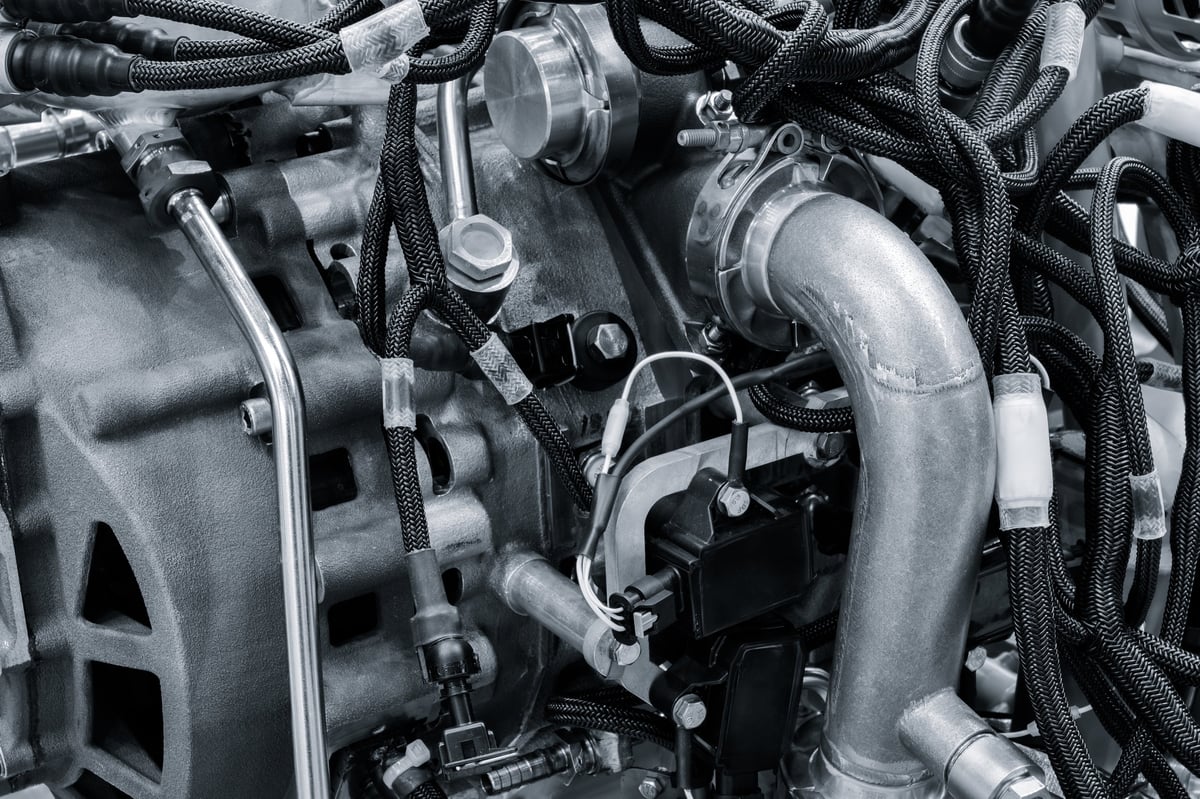
A borescope inspection and detailed engine evaluation should be non-negotiable — trend data alone won't reveal internal condition.
4. Undocumented Damage History
Aircraft get damaged — hangar rash, hard landings, hail, bird strikes, ramp incidents. When damage is properly repaired and documented, it's part of the aircraft's normal history. The problem arises when repairs were performed but never recorded, or when damage was "cosmetically" addressed without the underlying structural evaluation.
Telltale signs we look for include paint that doesn't quite match across panels, bondo or filler material detectable with a tap test or borescope, repaired composite surfaces that weren't cured properly, landing gear components with evidence of an overload event, and wingtip or tail repairs that look clean but lack corresponding logbook entries.
What it means for the buyer: A properly repaired and documented damage event is not a deal-breaker — most aircraft have some history. Undocumented or improperly performed repairs are a different story. They create liability risk, future airworthiness concerns, and resale complications when the next buyer does their own pre-buy and finds what should have been disclosed. If you discover undocumented damage, get a second opinion from a structural specialist before proceeding.
5. Engine and Powerplant Issues That Trend Data Won't Reveal
Many buyers review engine logbooks and trend monitoring data — which is essential — but stop there. A thorough pre-buy should include a borescope inspection of the engine's internal condition, compression checks (for piston engines), and a review of oil analysis reports over time, not just the most recent sample.
What we've found during deep engine inspections includes: hot section distress in turbine engines not yet reflected in trend data, cylinder wall scoring or corrosion that compression checks alone can miss, metal contamination in oil filters that a single "clean" oil analysis sample didn't catch, accessory gearbox wear indicating a larger upcoming expense, and exhaust system cracks or deterioration hidden by heat shielding.
What it means for the buyer: An engine overhaul or replacement is one of the largest single expenses in aircraft ownership. Catching an engine issue before you buy can mean the difference between negotiating the cost into the deal and absorbing a six- or seven-figure surprise six months after closing. A borescope and detailed engine evaluation should be a non-negotiable part of every pre-buy inspection.
What a Real Pre-Buy Inspection Looks Like
A proper pre-buy inspection is not a quick walk-around or a "once-over" with a flashlight. At Eagle Tech Aviation LLC, our pre-buy evaluations include:
- Complete airframe and systems inspection, with panels removed in high-risk areas
- Borescope inspection of engine internal condition
- Detailed logbook and records review for AD compliance, damage history, and maintenance gaps
- Corrosion inspection including hidden areas — spar caps, gear wells, under-floor cavities
- Operational check of avionics, systems, and equipment
- A written report with detailed findings, photos, and an honest assessment of what each finding means
We don't tell buyers whether to buy or walk away — that's their decision. What we do is give them the information they need to make that decision with their eyes wide open.
The Bottom Line: Invest in the Inspection Before You Invest in the Aircraft
A pre-buy inspection that costs a few thousand dollars can save hundreds of thousands — or save you from buying an aircraft you would have regretted. It also gives you negotiating leverage: findings you document during a pre-buy are far more powerful than concerns raised after the sale.
If you're considering an aircraft purchase, bring in a maintenance provider who will be honest with you, who knows where to look, and who understands that their findings affect one of the biggest financial decisions you'll make. At Eagle Tech Aviation LLC, that's exactly the approach we take.